


The Power of Reflection: Stop Hustling Blindly and Start Moving Forward Smarter

Discover the power of reflection and how it transforms your mindset, boosts personal growth, and unlocks clarity in life and decisions
In today’s busy world, we often keep moving without thinking ahead. But true progress comes from reflection—using past experiences to set purposeful direction and make smarter choices for the future.
Table of Contents
Harnessing the Power of Reflection
Reflection is a careful process of finding meaning and insight in your experiences. After completing a project, making a hard choice, or dealing with failure, you can identify your strengths, weaknesses, and new opportunities.
The Pillars of Effective Reflection
Effective reflection moves beyond simply feeling busy or frustrated; it is a structured process built on three core pillars that transform effort into insight.
- What to Reflect On.
- When to Reflect (Creating a Routine).
- How to Reflect (Practical Techniques).
What to Reflect On
Effective reflection is not just a vague feeling but a structured assessment with three key areas: Performance, Emotion & Energy, and Alignment.
- Evaluate Performance: Review your actions and processes objectively by asking, “What led to success? What led to failure?” Focus only on actions, not personal worth.
- Reflect on Emotion & Energy: Constant hustle leads to burnout if left unchecked. Notice which tasks drain or recharge you, and use this insight to redesign your week around your high-energy activities.
- Assess Alignment: Check whether your daily work truly aligns with your long-term goals. Spending most of your time on short-term tasks may indicate misalignment and aimless hustle.
When to Reflect (Creating a Routine)
There are three main timeframes that are most effective for self-reflection, as they naturally bookend or interrupt your day. You don’t have to do all three—start with just one and build from there.
- Daily Reflection Setting the Tone (Morning): Reflecting in the morning sets clear intentions, helping you start with purpose and focus before the day’s chaos.
- Daily Reflection- Processing the Day (Evening): Taking a moment to reflect at midday allows you to re-center and adjust your focus. It can help you navigate challenges and maintain intention through the rest of your day.
- Weekly Reflection: Big Picture (Weekend): A weekly session lets you step back and look at the bigger trends and patterns you might miss daily.
How to Reflect (Practical Techniques)
Reflection requires specific methods to move beyond surface-level observations and uncover meaningful insights. These techniques turn abstract thoughts into actionable data.
1. The “5 Whys” Method
When you encounter a failure or a significant success, simply noting what happened isn’t enough. The “5 Whys” Method is a powerful problem-solving technique that asks “Why?” five successive times to dig beneath the symptom and find the root cause of an issue.
- Example: I failed to meet a deadline.
- Why? I was unable to finish the final report.
- Why? I spent too much time researching a non-critical side topic.
- Why? I hadn’t clearly defined the scope of the project beforehand.
- Why? I rushed the planning phase to start “doing” immediately.
- Why? I prioritize immediate action over strategic planning (Root Cause).
2. Journaling/Free Writing
Gain clarity by writing your thoughts on paper or a screen. Set aside 10–15 minutes for Journaling or Free Writing. Write everything that comes to mind about a period, such as the past week or a project, without filtering or judging. This approach reveals hidden anxieties, overlooked achievements, or recurring patterns. By externalizing your thoughts, you can analyze them objectively.
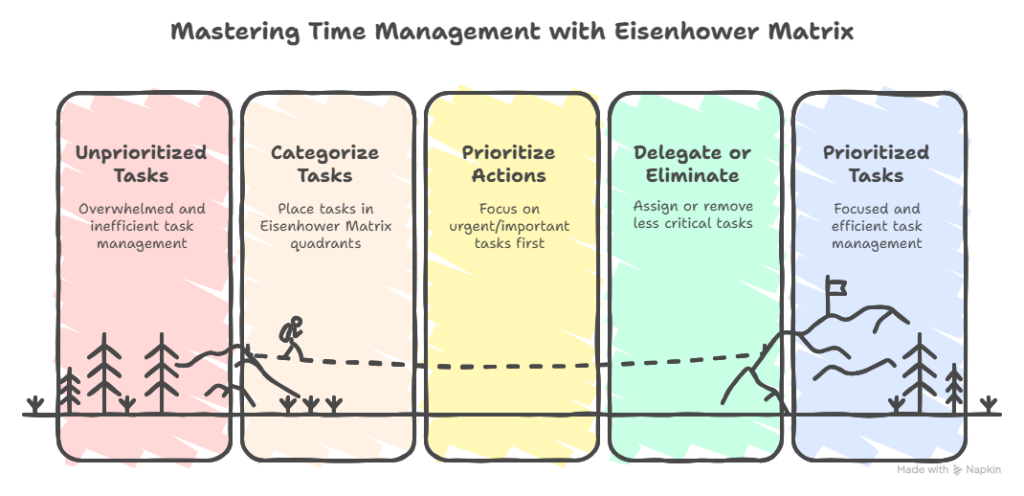
3. The Eisenhower Matrix Review
Busyness is often mistaken for productivity. Review your schedule using the Eisenhower Decision Matrix: Urgent/Important, Not Urgent/Important, Urgent/Not Important, and Not Urgent/Not Important.
Why Reflection Accelerates Progress
In a fast-paced world where constant action is glorified, reflection is often overlooked—yet it’s the secret weapon that dramatically accelerates personal and professional progress. By intentionally pausing to analyze past experiences, you uncover valuable insights that prevent repeated mistakes and sharpen future decisions.
Reflection transforms raw experience into actionable wisdom, boosts self-awareness, enhances problem-solving skills, and aligns your efforts with long-term goals, creating a powerful feedback loop that compounds growth exponentially. Leaders, top athletes, and high achievers all credit regular reflection—through journaling, retrospectives, or quiet contemplation—for their breakthroughs. Embrace reflection as a deliberate practice, and you’ll achieve more meaningful progress in less time than relentless grinding ever could. Start reflecting today and watch your trajectory skyrocket.

Collaborative reflection in projects
Reflection enables individuals to cognitively and introspectively transform their own experiences. The explication and sharing of these individual experiences in the organisational context of projects can initiate collaborative reflection.
How to Reflect Without Getting Stuck
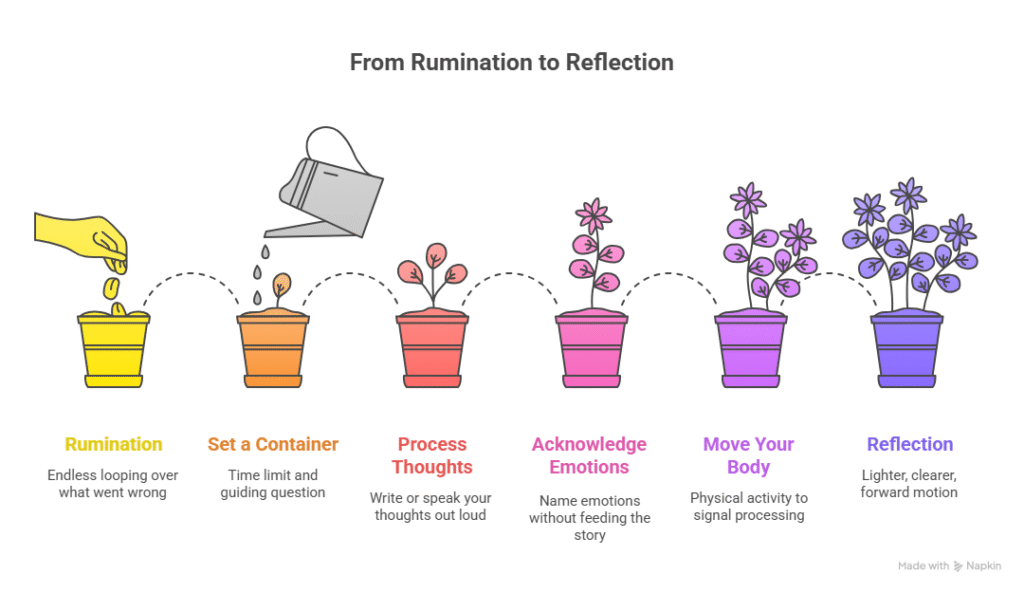
how reflection Closes the Feedback Loop
Reflection helps turn experience into real improvement. But it is often skipped. If you act without taking time to review, your results become just noise. You might succeed or fail, feel satisfied or disappointed, but learn nothing. By reflecting, you can find useful lessons in your experiences. You spot what really caused your results. Do you notice any wrong assumptions? You see which actions mattered most.
Top performers rely on this process. Pilots talk through every flight. Surgeons review each operation. Traders record every trade. Without reflection, experience gets wasted and costly. With reflection, every attempt sharpens your skill. It keeps you from getting stuck and drives constant improvement. Over time, this progress leads to mastery. Reflection helps you avoid repeating the same year and move forward.
The Paradox of Slowing Down to Speed Up
The paradox of “slowing down to speed up” is one of the most counterintuitive yet consistently proven principles in high-performance work, creativity, leadership, and even athletics.
At its core, it states that deliberately reducing pace, intensity, or volume in the short term often produces dramatically higher output, quality, and sustainability in the medium- to long-term.
A Final Thought
Moving forward without reflection is like trying to drive with the rear-view mirror covered—you’ll eventually crash, or at best arrive somewhere you never intended to go.
Reflection is not a luxury for the idle; it is oxygen for those steering their lives with intention. In a culture addicted to speed, pausing in the driver’s seat to look in the mirror may be the ultimate competitive advantage.