


Explosive Insights on Normative Social Influence

Discover the ultimate power of normative social influence and how it controls your mind. Learn amazing psychology secrets that shape human behavior daily.
Have you ever worn something you didn’t really like just because everyone else was? Or maybe you stayed quiet when you disagreed with your friends because you didn’t want to stand out? If so, you’ve experienced something psychologists call “normative social influence.” It’s one of the most POWERFUL forces that shape our daily behavior, yet most of us don’t even realize it’s happening.
Picture this: You’re standing at a busy intersection with a group of strangers. The light is red, but suddenly everyone starts crossing the street. What do you do? Most people would follow the crowd, even if their gut tells them to wait. This isn’t because they suddenly forgot traffic rules – it’s because humans are naturally wired to fit in & avoid standing out from the group.
Normative social influence happens when we change our behavior or opinions to match what others are doing, not because we think they’re right, but because we want to be liked & accepted. It’s different from other types of social pressure because it’s all about BELONGING rather than being correct. Throughout this article, we’ll explore how this invisible force works in our lives, why it’s so powerful, & how we can recognize when it’s happening to us. We’ll also look at real-world examples & discuss both the good & bad sides of following social norms.
What Exactly IS Normative Social Influence?
Normative social influence is like an invisible puppet master pulling our strings. It happens when we go along with what others are doing because we want to fit in, be liked, or avoid being rejected by the group. The keyword here is “normative” – it’s all about following the NORMS or unwritten rules of what’s considered normal or acceptable behavior.
Think about the last time you were in a movie theater. Did you automatically lower your voice or turn off your phone? Probably! But not because someone told you to – you did it because that’s what everyone else does. You followed the social norm because breaking it would make you stand out uncomfortably. This is normative social influence at work, & it happens so naturally that we barely notice it.
The Science Behind Our Need to BELONG
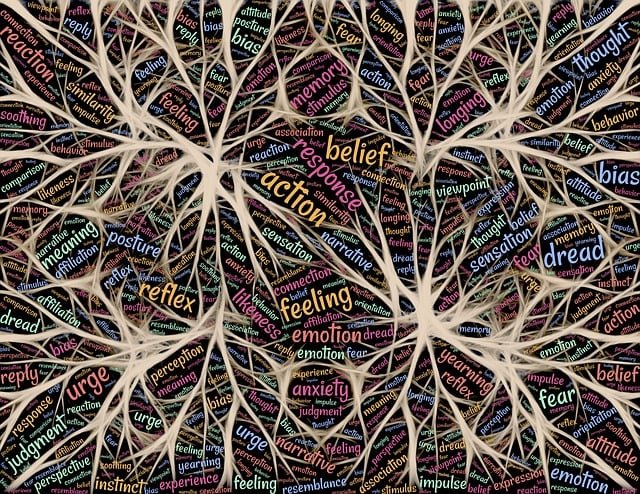
Neurobiological studies suggest that empathy is a complex phenomenon, which can be described using a model that includes 2 modes of processing: bottom-up and top-down. Bottom-up neural processing is achieved via the mirroring representation systems that play a key role in the direct sharing of the emotional states of others. Top-down processing, known as cognitive perspective-taking or theory of mind, where the feelings of others are fully imagined and understood, is based on control and inhibition mechanisms.
Our brains are literally programmed to care about what others think of us. Scientists have discovered that when we feel rejected or excluded from a group, the same parts of our brain light up that would if we were experiencing physical PAIN. This means that social rejection actually hurts – it’s not just a figure of speech!
This connection between social acceptance & survival goes back thousands of years. In prehistoric times, being kicked out of your tribe usually meant death. You couldn’t hunt large animals alone, protect yourself from predators, or survive harsh weather without the group’s help. So people who were good at reading social cues & fitting in were more likely to survive & have children. Over time, this created humans who are naturally sensitive to social pressure.
Real-World Examples: Where Social Pressure Shows UP
Normative social influence isn’t just something that happens in psychology experiments – it’s everywhere in our daily lives. Social media is probably the most obvious example today. Have you ever posted a photo & then felt anxious when it didn’t get as many likes as usual? Or did you change what you were going to post because you worried people might judge you? That’s normative social influence in the digital age.
Fashion trends are another perfect example. Why do certain clothes become popular while others don’t? It’s rarely because they’re more comfortable or practical. Instead, a few influential people start wearing something, others copy them to fit in, & before you know it, everyone’s wearing the same style. Remember when everyone suddenly started wearing skinny jeans? Or when certain sneaker brands became must-haves? These trends spread because people want to signal that they BELONG to the group.
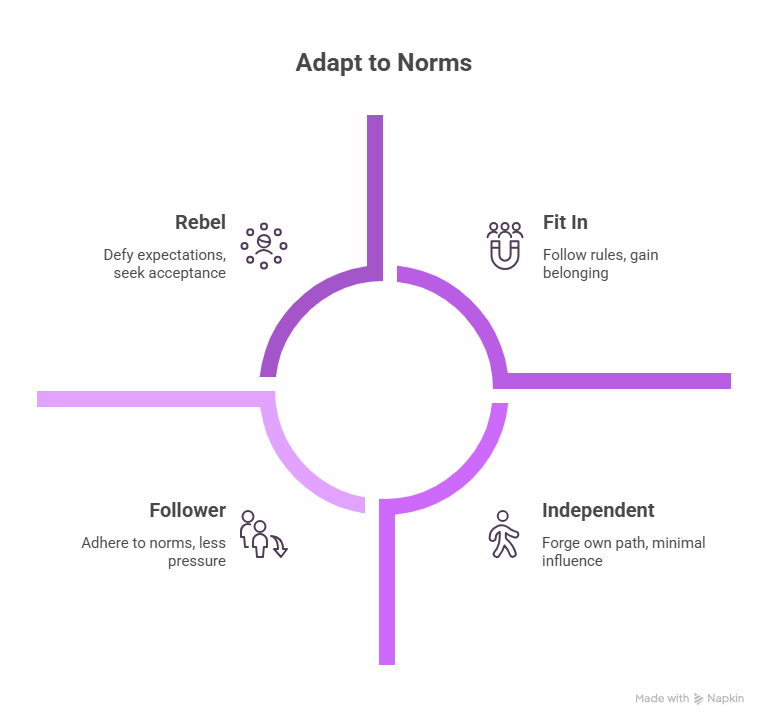
The GOOD, the Bad, & the Complicated
Like most psychological phenomena, normative social influence isn’t all good or all bad – it’s complicated. On the positive side, social norms help create order & cooperation in society. They help us know how to behave in different situations without having to figure everything out from scratch. Imagine how chaotic the world would be if there were no agreed-upon rules about things like waiting in line, respecting personal space, or being quiet in libraries.
Social norms also help us show respect & consideration for others. When you dress nicely for a wedding or speak quietly in a hospital, you’re following social norms that help create appropriate atmospheres for important events. These shared expectations make social interactions smoother & more predictable for everyone involved.
However, normative social influence can also lead people to make poor decisions or engage in harmful behaviors. Peer pressure among teenagers is a classic example – kids might try drugs, skip school, or engage in risky activities not because they want to, but because they’re afraid of being rejected by their friends. Adults face similar pressures in different contexts, like staying silent about unethical behavior at work or going along with discriminatory attitudes in their social circles.
The challenge is learning to recognize when social influence is helpful versus when it’s leading us away from our values or best interests. This requires developing what psychologists call “social awareness” – the ability to step back & examine why we’re doing something. Are we making this choice because it’s truly what we want, or are we just trying to fit in? Sometimes following the crowd is perfectly fine, but other times it’s important to have the courage to stand up for what we believe in, even if it makes us feel temporarily uncomfortable or different from others.
Breaking Free: How to Think for YOURSELF
Understanding normative social influence is the first step toward making more conscious choices about when to follow social norms & when to think independently. The goal isn’t to become completely immune to social pressure – that would be impossible & probably not healthy. Instead, the aim is to become more aware of when it’s happening & more intentional about how we respond.
One useful strategy is to practice the “pause & reflect” technique, as psychologists call it. When you notice yourself about to do something because everyone else is doing it, take a moment to ask yourself some questions: “Why am I about to make this choice? Is this really what I want to do, or am I just following the crowd? What would happen if I chose differently? What are my own values telling me to do?” This simple pause can help you make more authentic decisions.
Another helpful approach is to identify your core values & use them as a guide when facing social pressure. If you know what truly matters to you – things like honesty, creativity, kindness, or independence – you can use these values as a compass when social norms pull you in different directions. It’s much easier to resist social pressure when you have a clear sense of your own principles & priorities.
Building confidence in your own judgment also helps you resist unwanted social influence. This means practising making decisions based on your own thoughts & feelings, starting with small, low-stakes situations. The more you exercise your independent thinking muscles, the stronger they become. You might also seek out friends & communities that value authenticity & individual thinking rather than conformity.
Remember, being influenced by others isn’t always bad – humans are social creatures, & we learn & grow through our interactions with others. The key is developing the wisdom to know when social influence helps you become your best self and when it pulls you away from who you really want to be.
Conclusion
Normative social influence is one of those fascinating aspects of human psychology that affects us every single day, often without us even realizing it. From the clothes we choose to wear to the opinions we express in group settings, our desire to fit in & be accepted shapes countless decisions, both big & small. While this influence can sometimes lead us astray, it also serves important functions in helping us navigate complex social situations & maintain relationships with others.
The most important takeaway is that awareness is power. When you understand how normative social influence works, you can make more conscious choices about when to go along with the crowd & when to trust your own instincts. This doesn’t mean becoming a rebel who rejects all social norms – many of these norms exist for good reasons & help society function smoothly. Instead, it means developing the wisdom to distinguish between helpful social guidance & pressure that doesn’t serve your best interests.

Get our free ebook today!
Dive deep into the fascinating world of the power of normative social influence. Understand its role in shaping societal norms and individual choices in this comprehensive guide!