


Decoding Nonverbal Body Language: 7 Micro-Expressions That Instantly Expose Liars and Manipulators

Learn proven jaw-dropping reasons why people lie and get exposed. Uncover 7 micro-expressions that reveal manipulation tactics used against you daily.
Table of Contents
- Introduction
- What Are Micro-Expressions and Why They Matter
- The Science Behind Facial Expressions and Deception
- The 7 Key Micro-Expressions That Expose Lies
- Body Language Beyond the Face
- Common Mistakes in Reading Nonverbal Cues
- Practical Tips for Better Detection
- Conclusion
Introduction
Have you ever had that gut feeling someone wasn’t telling you the truth? Your instincts might have been picking up subtle nonverbal cues that your conscious mind missed. Learning to read micro-expressions can help you spot dishonesty and protect yourself from manipulation.
Decoding nonverbal body language isn’t about becoming a human lie detector overnight. It’s about understanding the small, often unconscious movements that people make when they’re not being completely honest. These tiny facial expressions last only a fraction of a second, but they can reveal a person’s true feelings and intentions.
What Are Micro-Expressions and Why They Matter
Micro-expressions are brief, involuntary facial expressions that appear on a person’s face when they try to hide their true emotions. Unlike regular facial expressions, which we control, these tiny movements occur automatically and are nearly impossible to fake or suppress completely.
Dr. Paul Ekman, a renowned psychologist who studied facial expressions for decades, discovered that these quick flashes of emotion are universal across cultures. Whether someone is from New York or Tokyo, their face will show the same basic patterns when they experience fear, anger, disgust, or other emotions.
The reason micro-expressions matter so much in detecting deception is simple: when people lie, they often feel some level of stress, guilt, or fear about being caught. These emotions leak through their facial expressions, even when they’re trying hard to appear calm and truthful.
Why People Show Micro-Expressions When Lying
When someone tells a lie, several things happen in their brain and body:
- Stress hormones rise, leading to physical tension.
- The mind works harder to keep track of false information.
- Emotional conflict arises from the gap between what they’re saying and what they know to be true.
- Fear of being caught creates anxiety that shows in their nonverbal communication.
The Science Behind Facial Expressions and Deception
Research shows that our faces have over 40 different muscles that work together to create thousands of possible expressions. When we lie, our brain sends conflicting signals to these muscles, creating brief moments when our true feelings surface.
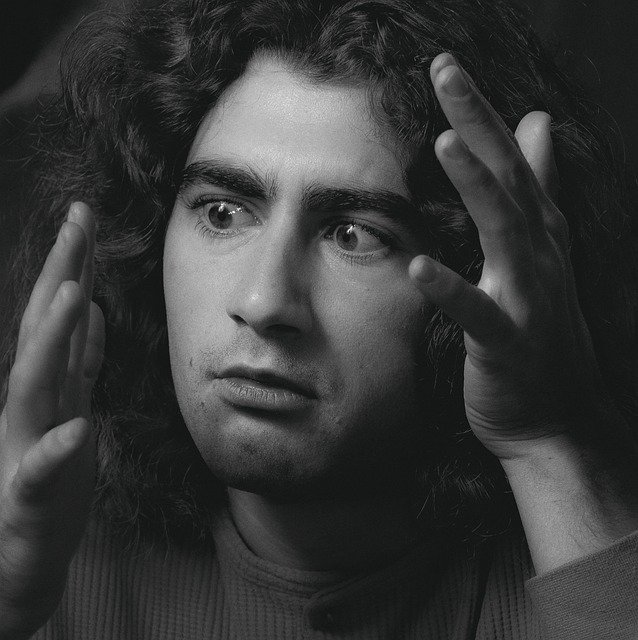
Studies have found that trained observers can identify deception with 70-90% accuracy when they know what body language signs to look for. However, most people without training only catch lies about 54% of the time – barely better than random guessing.
The 7 Key Micro-Expressions That Expose Lies
1. The Forced Smile
One of the most common facial expressions liars use is a fake smile. Real smiles involve both the mouth and the eyes, while forced smiles typically only move the mouth muscles.
What to look for:
- A smile that doesn’t reach the eyes.
- Asymmetrical smile (one side higher than the other).
- A smile that appears or disappears too quickly.
- Eyes that remain cold or tense while the mouth smiles.
A genuine smile creates small wrinkles around the eyes (called Duchenne markers), while a fake smile leaves the eye area unchanged. This micro-expression often appears when someone is trying to seem friendly while hiding negative feelings.
2. Eye Movement Patterns
The eyes are particularly revealing when it comes to detecting lies. While the old myth about looking left or right isn’t reliable, certain eye movement patterns can indicate deception.
Watch for these signs:
- Avoiding eye contact when normally maintaining it.
- Sudden increase in blinking rate.
- Eyes that dart around nervously.
- Looking down frequently during important parts of a conversation.
- Staring too intensely (overcompensating for guilt).
3. Eyebrow Flash
A quick eyebrow flash – where the eyebrows shoot up briefly – often happens when someone is surprised by a question or worried about their answer. This micro-expression typically lasts less than a second.
Key indicators:
- Eyebrows that rise suddenly when asked direct questions.
- One eyebrow is raised higher than the other.
- Eyebrows that furrow or draw together when speaking.
- Rapid eyebrow movements that don’t match the conversation tone.
This nonverbal body language signal often occurs because the person is internally stressed about maintaining their false story.
4. Nostril Flare
When people feel angry, frustrated, or stressed (common emotions during deception), their nostrils may flare slightly. This happens because stress increases breathing rate and the body needs more oxygen.
Signs to notice:
- Nostrils that widen during certain parts of the conversation.
- Increased breathing rate.
- Visible tension around the nose area.
- Quick, shallow breaths instead of normal breathing patterns.
5. Lip Compression
Lip compression – Our emotional self is reflected vividly in the quivering lips of nervous excitement, the compressed lips of apprehension or concern, or the dramatic pulling of the pursed lips to the side when we strongly disagree with something.
Watch for:
- Lips pressed into a thin line.
- One corner of the mouth pulled back slightly.
- Quick lip licking or biting.
- A mouth that appears smaller or tighter than usual.
This micro expression occurs when a person is literally trying to hold back their true words or feelings.
6. Shoulder Shrug
A small, often unconscious shoulder shrug can indicate that someone doesn’t believe what they’re saying or feels uncertain about their statements.
Look for:
- One shoulder rises slightly higher than the other.
- Quick, subtle shoulder movements during speech
- Shoulders that tense up when discussing certain topics.
- Asymmetrical shoulder positions.
7. Face Touching
Increased face-touching often occurs when people are nervous or deceptive. This includes touching the nose, mouth, chin, or cheeks more than usual.
Common patterns:
- Covering the mouth while speaking.
- Rubbing the nose or chin frequently.
- Touching the neck or throat area.
- Scratching face without an apparent reason.
Research suggests this happens because stress increases blood flow to the face, which can make it feel warm or tingly.
Body Language Beyond the Face
While facial expressions are crucial for detecting deception, other body language signals also provide important clues:
Hand and Arm Movements
- Fidgeting with objects or clothing.
- Hands that gesture differently than usual.
- Arms crossed defensively.
- Hands hidden in pockets or behind the back..
- Pointing fingers or aggressive gestures.
Posture and Movement
- Leaning away from the person they’re talking to.
- Shifting weight from foot to foot.
- Standing or sitting more rigidly than normal.
- Creating physical barriers with objects.
- Sudden changes in posture during conversation.
Voice Changes
While not strictly nonverbal communication, voice changes often accompany deceptive body language:
- Speaking faster or slower than normal.
- Voice pitch that gets higher.
- Clearing the throat frequently.
- Long pauses before answering.
- Speaking more quietly or loudly than usual.
Common Mistakes in Reading Nonverbal Cues
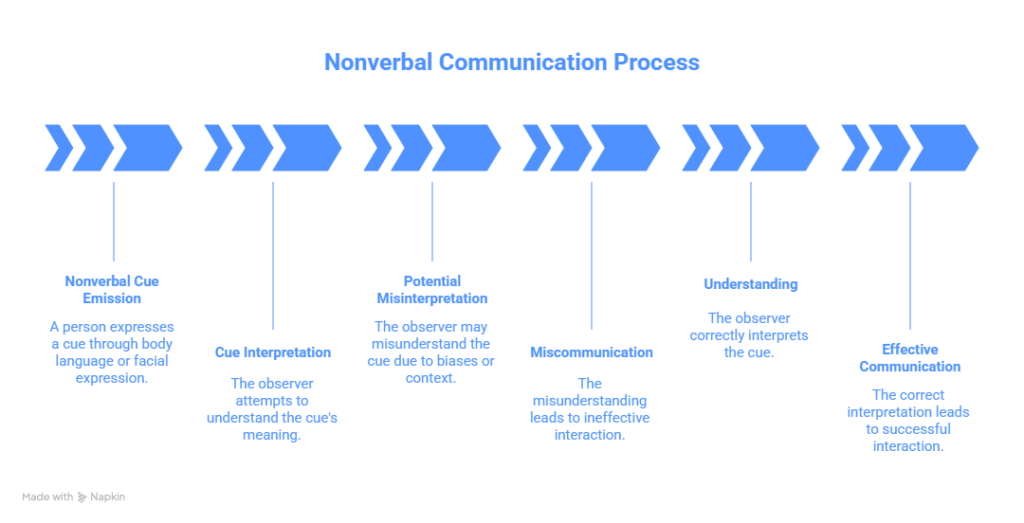
Learning to read nonverbal body language effectively requires avoiding several common errors:
Baseline Behavior
Everyone has different normal body language patterns. What looks suspicious to one person might be completely normal for another. Always observe someone’s typical behavior before concluding they’re being deceptive.
Cultural Differences
Nonverbal communication varies across cultures. Eye contact, personal space, and facial expressions can mean different things in different societies. Consider cultural background when interpreting body language signals.
Context Matters
A person might show stress signals for reasons unrelated to lying. They could be tired, hungry, worried about something else, or naturally anxious. Always consider the broader context.
Single vs. Multiple Signals
One isolated micro-expression doesn’t prove deception. Look for clusters of nonverbal signs that appear together and match the situation.
Practical Tips for Better Detection
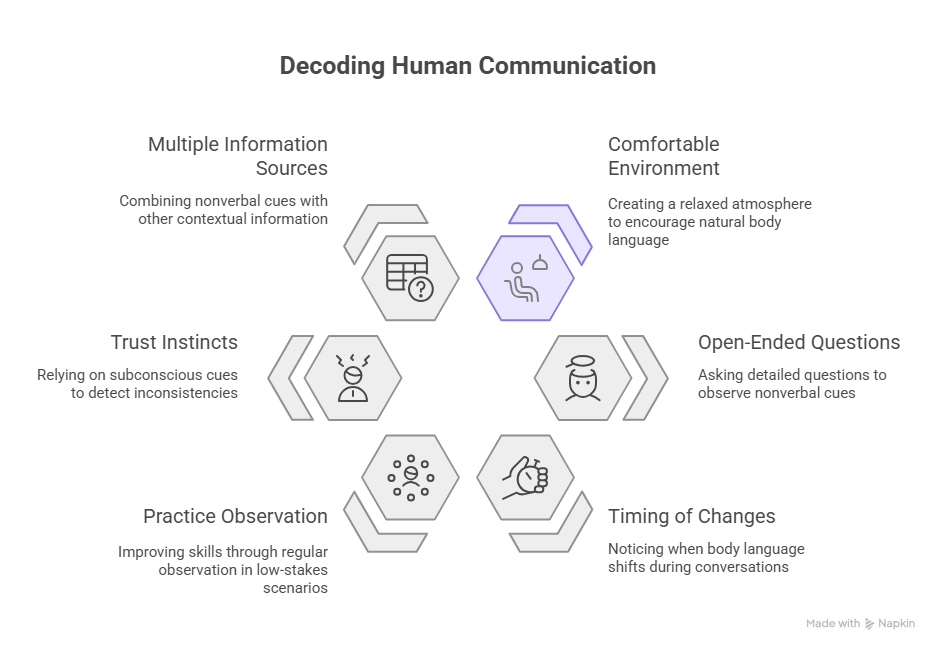
Create a Comfortable Environment
People show more natural body language when they feel relaxed. If you’re trying to determine if someone is being truthful, avoid making them feel attacked or defensive.
Ask Open-Ended Questions
Questions that require detailed answers give you more opportunities to observe nonverbal behavior. Simple yes/no questions don’t provide enough time to spot micro-expressions.
Pay Attention to Timing
Notice when body language changes occur. Do they happen when discussing specific topics? This timing can be as important as the nonverbal signals themselves.
Practice Observation Skills
Like any skill, reading body language improves with practice. Start by observing people in low-stakes situations to learn their normal patterns.
Trust Your Instincts
Often, your subconscious picks up on nonverbal cues before your conscious mind does. If something feels off, pay closer attention to the person’s body language.
Use Multiple Sources of Information
Combine nonverbal observations with what you know about the person, the situation, and any other available information. Body language is just one piece of the puzzle.
When to Use These Skills
Understanding nonverbal body language can be helpful in many situations:
- Business negotiations and meetings
- Dating and relationships
- Parenting and family interactions
- Professional networking
- Legal and security contexts
- Healthcare and counseling
- Educational settings
However, remember that reading body language should supplement, not replace, good communication skills and critical thinking.
Conclusion
Decoding nonverbal body language and recognizing micro-expressions can significantly improve your ability to understand others and protect yourself from deception. The seven key signs we’ve discussed – forced smiles, unusual eye movements, eyebrow flashes, nostril flares, lip compression, subtle shoulder shrugs, and increased face touching – are powerful tools for detecting when someone might not be telling the truth.
Remember that becoming skilled at reading body language takes time and practice. Start by observing these micro-expressions in low-pressure situations, always consider context and cultural differences, and look for clusters of signals rather than single indicators.
Most importantly, use these skills ethically and remember that everyone deserves respect, even when they’re not being completely honest. Understanding nonverbal communication should help you build better relationships and make more informed decisions, not judge or manipulate others.